Table of Content
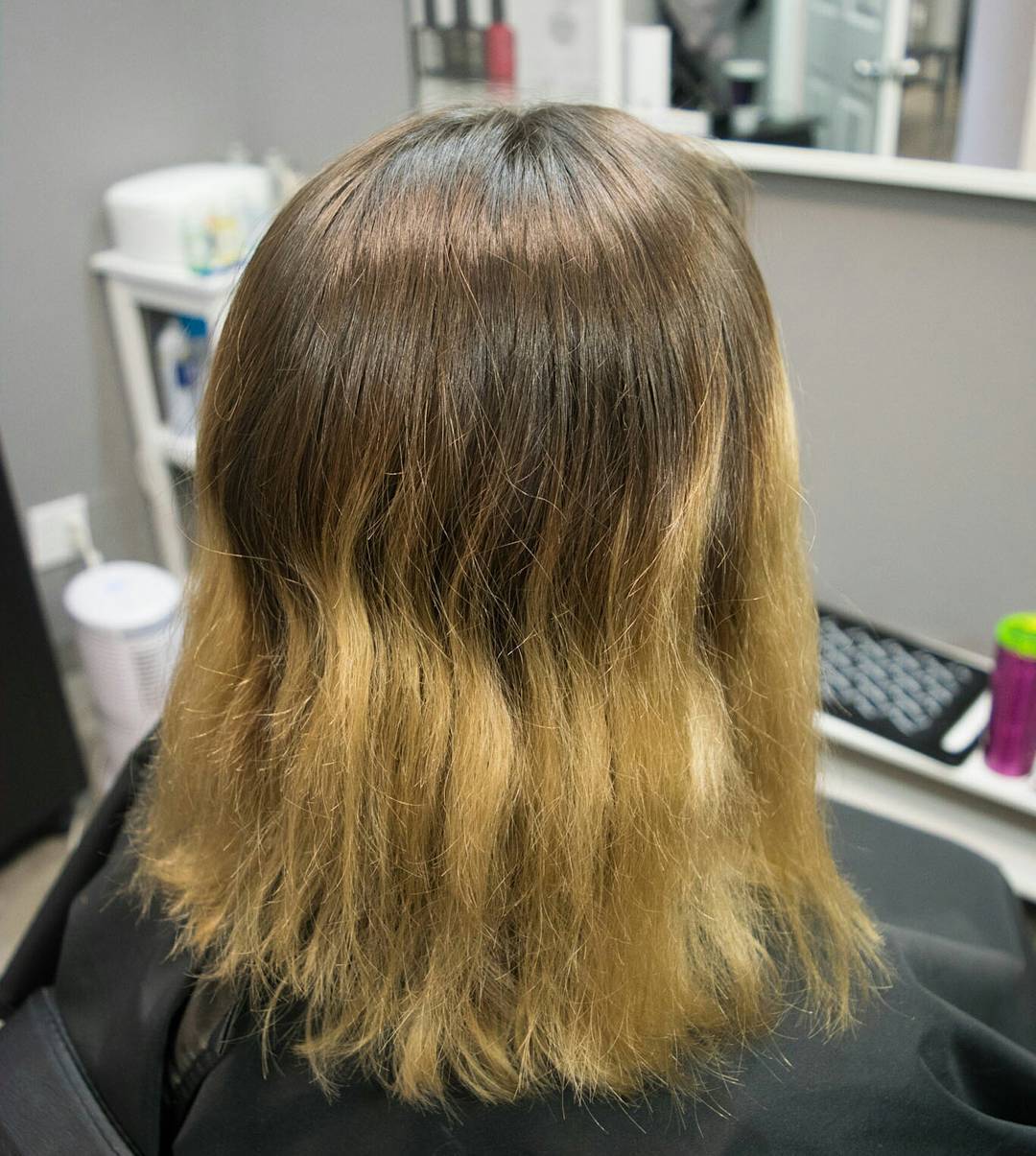
Unfortunately, the frizz, dryness and damage that may be the result of the imperfect bleaching process will have the opposite effect. Keep reading to find out what hair treatment can repair bleached damaged hair for you to fully enjoy your blonde tresses. Bleaching is a one-way ticket to lighter-colored locks. And though it gets great results, it can damage hair if not done carefully. If you’re experiencing a bleach overload, follow our top tips for how to fix bleach-damaged hair. Get your tresses back on track with our simple tricks to calm, nourish, and restore your hair to its blonde beauty.
There are many things that can contribute to damaged hair. Another great way to repair damaged hair at home is with a hair oil. Hair oils can be used on wet or dry hair, and they are a great way to seal in moisture and add shine. Choose an oil that is packed with vitamins and antioxidants, like argan oil, jojoba oil or coconut oil. Another way to repair color damaged hair is to use a hair color remover. A hair color remover is a type of hair dye that is designed to remove hair dye from the hair.
How to Use Purple Shampoo on Brown Hair
It can be used alone or combined with other ingredients. It’s worth noting that baking soda can have a drying effect on your hair, so it’s important to deep condition your hair and use the paste sparingly. So, if you’re thinking about dyeing your hair, it’s important to weigh the risks and benefits carefully. If you do decide to dye your hair, use a gentle, all-natural dye and be sure to follow the instructions carefully. Also, try to avoid dyeing your hair too often, and give your hair a break periodically to allow it to recover. Chemically damaged hair can often be repaired with the help of a good hair care routine and some patience.
Chadwick says the biggest rule of DIY hair coloring is to never attempt to remove dye by yourself at home, especially if that dye is darker than anticipated. Unfortunately, you can't lighten up a really dark dye job by simply dying over it with another, lighter box dye shade. Try out different affordable and effective natural hair masks until you find the one that works for you. If your hair falls or dryness persists even after doing so, it may be best to consult a dermatologist for advice. While it may seem like a distant dream if you have dry or damaged hair, a little bit of hard work and perseverance can go a long way in helping you achieve this dream.
Wrap wet hair dry
"Try new temporary colored conditioners — play with spring blush and peach tones," she advises. "This really depends on the health of your hair and how much your hair can handle," Tang says. "If your hair is getting harder to brush and feels more tangled and crispy, you must wait." Add the coconut milk and olive oil to this paste.
You can also enhance the luster and softness of your hair with the L’Oréal Paris EverPure Sulfate-Free Signature Masque, Color Care Hair Mask. It works to restore shine, which helps the hair appear more vibrant and reflective. Take a close look at all your hair to make sure you’ve snipped away any broken, damaged sections. This is especially important in the winter, when your hair is dryer. Sun, water, chlorine — a day of fun outdoors can be hard on your hair.
Don’t forget scalp care
If your bathroom looks like a crime scene after a DIY hair color session, you’ll want to remove the hair dye stains from your tub or sink as soon as you can. Scrubbing the affected areas with products such as baking soda, vinegar, and bleach will go a long way. In most cases you’ll want to create a solution to lift the color and scrub with a toothbrush or sponge. Highlighter cap kits are really convenient when you’re at home, but bleaching already-bleached hair damages it further.

Another option is to mix one egg with a tablespoon of olive oil, and apply it to your hair. Leave it in for 30 minutes, then shampoo and condition your hair. Once you’ve repaired the cuticles and the protein structure, you need to moisturize the hair. The best way to do this is to use a moisturizing shampoo and conditioner. The next step is to rebuild the protein structure of the hair. The hair is made up of proteins, and when they’re damaged, the hair can become brittle and frizzy.
Understand the Root Cause of Your Damaged Hair
With a little bit of effort, you can often fix severe damaged hair at home. If sipping tea is already a part of your self-care routine, take it a step further by applying black tea to your tresses. To boost shine, pour some cooled black tea onto your hair and let it sit for at least 10 minutes before rinsing it out.

This is called a donor area, and it is cut into smaller pieces to place these on a bald or thinning area of the scalp. Also, when thinking about hair shade, three shades within your natural shade are ideal. April (she/her) is the beauty director at Good Housekeeping, Prevention and Woman's Day, where she oversees all beauty content. I created BelleTag to share my passion for style, fashion, and beauty.
It's affordable and convenient, as you can get it done at any time of day or night for a fraction of the price you'll pay in a salon. In the most unfortunate scenario, the breakage will lead to damaged hair falling out. Tempting as it is to dye your roots as soon as they appear, aim to hit the bleach just once every two months. And rather than re-bleach your whole head, apply dye to new growth only to keep your hair healthy. Severely damaged hair can be a real challenge to fix.
The material on this site may not be reproduced, distributed, transmitted, cached or otherwise used, except with the prior written permission of Condé Nast. To combat this, Chadwick and Cheeseman both advise turning to the color wheel you might remember from high school art classes. As Cheeseman explains, complementary colors — or colors that are on opposite sides of the color wheel — neutralize each other. Make sure to drink an adequate amount of water (at least 7–8 glasses of water) every day. Soak the fenugreek seeds in some water and leave them overnight. Grind the hibiscus leaves and flower petals with 1 tablespoon of water.
Therefore, you will need to dye your hair more often than you think. If you have dyed your hair and noticed some damage, follow along. Here are some of the solutions and tips on how to care for color-damaged hair. Instead, try a semi-permanent hair rinse that can change up your hair color without doing a lot of damage.
Leave the conditioner on for 30 minutes, then shampoo and condition the hair as usual. The third step in repairing chemically damaged hair is to give it a good dose of protein. Protein is essential for repairing damaged hair, and can be found in many commercial hair products. A protein treatment can be done at home by using a protein-based hair mask or a conditioner that contains protein.
Eggs are a great source of protein and fatty acids, both of which help strengthen and add shine to your hair. Eggs also contain certain beneficial enzymes and minerals that can help increase hair growth. Fortunately, a number of natural remedies can restore moisture and shine to your locks. Skip products that boast of a “long-lasting hold.” These products can dry out your hair.
If you’re looking for a quick fix, you’re likely to be disappointed. The best way to repair color-damaged hair is through a combination of proper care and patience. With time and patience, you can bring your hair back to its former glory.


No comments:
Post a Comment